Your Port Chester Spring AC Inspection: HVAC Tune-Up Services Checklist
When winter loosens its grip on Westchester County, spring is the ideal time to prepare your cooling system for the hotter months ahead. A thorough spring AC inspection not only improves comfort but also safeguards your investment, enhances efficiency, and prevents midsummer breakdowns. If you’re in Port Chester, a seasonal approach to AC maintenance is the smartest path to dependable cooling and lower utility costs.
Below is a clear, professional guide to HVAC tune-up services and how to approach your seasonal HVAC checklist for summer AC readiness.
Why spring AC inspection matters in Port Chester
- Local climate demands: Humid summers put steady strain on equipment. Getting a jump on maintenance in spring improves your odds of smooth performance during peak heat. Energy savings: Well-maintained systems use less electricity. Energy-efficient AC care can reduce monthly bills and limit wear. Reliability and longevity: Regular HVAC preventive maintenance helps avoid emergency calls and extends the life of your unit.
What a professional HVAC tune-up includes A quality HVAC tune-up services visit in Port Chester should be systematic and documented. Expect a technician to focus on these core areas:
1) Thermostat and controls
- Calibration check: Ensures temperature readings are accurate and that the system cycles correctly. Program review: Helps you set schedules for summer AC readiness, maximizing comfort and savings.
2) Electrical components and safety
- Connections tightened and inspected for corrosion or wear. Capacitors and contactors tested: Faulty parts can cause hard starts or no-cool events. System startup and shutdown sequence verified for safe operation.
3) Airflow and filtration
- Air filter replacement: A clean filter supports airflow, reduces strain on the blower, and helps maintain indoor air quality. In many Port Chester homes, monthly to quarterly filter changes are advisable depending on pets, renovation dust, and allergies. Duct inspection (visual): Looks for disconnected runs, visible gaps, or significant dust buildup that can undermine energy-efficient AC care.
4) Indoor unit service (evaporator and blower)
- Evaporator coil inspection: Dirt on the indoor coil lowers heat transfer and causes performance issues. Blower cleaning and wheel balance: Reduces noise and improves airflow. Condensate drain and pan cleaning: Prevents leaks and microbial growth, critical in humid months.
5) Outdoor unit service (condenser)
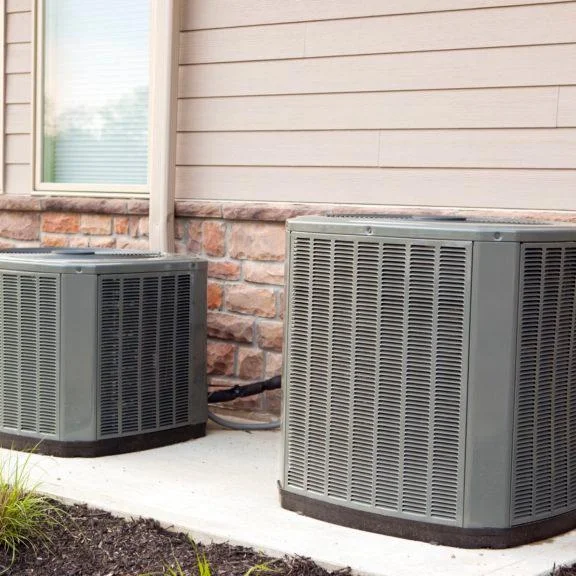
- Condenser coil cleaning: Removing debris, pollen, and grime restores heat rejection and lowers operating pressures. This step is essential in any Port Chester AC upkeep routine because spring pollen and yard debris accumulate quickly. Cabinet and fan inspection: Ensures the fan motor and blades operate smoothly and the cabinet is free from obstructions.
6) Refrigerant and performance checks
- Refrigerant level and superheat/subcool measurement: Confirms the system is charged to manufacturer specs. Low charge can cause freezing; overcharge stresses the compressor. Temperature differential and static pressure: Validates overall system performance and airflow health.
7) System sealing and efficiency enhancements
- Insulation on refrigerant lines checked and replaced if degraded. Recommendations for sealing duct leaks or improving return air pathways, a valuable step in energy-efficient AC care.
Your seasonal HVAC checklist for Port Chester homeowners
- Replace or upgrade filters: Start spring with a new filter. Consider higher-MERV options if your system supports them, or a media cabinet for better capture of allergens. Clear the outdoor unit: Trim vegetation at least 2 feet around the condenser and remove leaves, nests, and debris before the first cooling run. Schedule condenser coil cleaning: Even a thin film of dirt forces the compressor to work harder and drives up energy use. Test your system early: Run the AC on a mild day. Note strange noises, odors, or extended runtimes and schedule service if anything seems off. Verify thermostat programs: Set weekday/weekend schedules to match your routine for summer AC readiness, and enable smart features like geofencing if available. Inspect drain line and install a float switch: A clogged drain can cause water damage. A safety switch shuts the system off before overflow. Ask for a documented HVAC preventive maintenance report: It should include measured readings, parts replaced, and recommendations.
Common issues discovered during spring AC inspections
- Dirty filters and coils: Top causes of poor cooling and high bills. Air filter replacement and condenser coil cleaning deliver immediate improvements. Low refrigerant from minor leaks: Catching it early prevents compressor damage. Weak capacitors: A frequent culprit in no-start calls during the first heatwave. Clogged condensate lines: Leads to water leaks and musty odors. Worn contactors or loose connections: Can result in intermittent cooling or electrical arcing.
How often should you schedule HVAC tune-ups? For most homes in Port Chester, plan on:
- One spring AC inspection for cooling performance. One fall heating check for furnaces or heat pumps. Filter checks every 30–90 days depending on usage and indoor air quality needs. If you run a heat pump year-round, biannual HVAC tune-up services are especially important.
DIY vs. professional service You can handle some elements of Port Chester AC upkeep yourself:
- Swap filters regularly. Keep the outdoor unit clear and gently rinse the exterior coil fins with a garden hose from the inside out (power off first). Verify thermostat schedules and replace batteries if applicable. However, leave electrical testing, refrigerant diagnostics, evaporator coil cleaning, and sealed-system repairs to licensed professionals. Proper tools and training ensure safe, accurate results and protect your warranty.
Choosing the right HVAC company in Port Chester
- Licensing and insurance: Verify current credentials. Transparent checklists: Ask for a detailed seasonal HVAC checklist and a written report after service. Local experience: Technicians familiar with Westchester building stock and climate nuances can pinpoint issues faster. Maintenance plans: Consider enrolling in a plan that includes priority scheduling, discounts, and reminders for spring and fall visits.
Benefits you’ll notice after a thorough tune-up
- Faster, more even cooling with fewer hot spots. Lower energy bills thanks to energy-efficient AC care steps. Quieter operation from balanced blowers and healthy compressors. Better indoor air quality after air filter replacement and drain cleaning. Peace of mind knowing your system has been readied for a demanding summer.
Timing tips for optimal summer AC readiness
- Book early: Schedule in late March or April to avoid the rush when the first 80-degree day hits. Pair tasks: If you’re doing exterior spring cleanup, add condenser coil cleaning and yard clearance to the same weekend. Document everything: Keep a file of service reports and dates. This history helps diagnose trends and protect warranties.
Final takeaway A professional spring AC inspection sets the tone for a comfortable, efficient summer. By combining a thorough HVAC preventive maintenance visit with a homeowner-friendly seasonal HVAC checklist, you reduce surprises, control costs, and extend system life. Whether you’re scheduling your first tune-up or refining your Port Chester AC upkeep routine, now is the time to prepare.
Questions and answers
Q1: How long does a spring AC inspection usually take? A: Most HVAC tune-up services appointments take 60–90 minutes, depending on system accessibility, cleanliness, and whether issues are found.
Q2: Is air filter replacement ductless hvac replacement ct really necessary every 1–3 months? A: Yes. In Port Chester’s pollen-heavy spring and summer, filters load quickly. Regular changes support airflow, efficiency, and indoor air quality.
Q3: Can I clean the condenser coil myself? A: Light exterior rinsing with power off is fine. For deep condenser coil cleaning and any chemical treatment, hire a pro to avoid fin damage or pushing debris deeper into the coil.
Q4: What are signs I need service before summer? A: Warm air at vents, short cycling, odd noises, musty smells, ice on refrigerant lines, or unusually high energy bills all point to scheduling a spring AC inspection promptly.
Q5: Do maintenance plans really save money? A: Typically yes. They bundle seasonal visits, provide reminders, and often include discounts on repairs—supporting consistent, energy-efficient AC care throughout the year.