As winter fades and coastal breezes warm up Port Chester, preparing your cooling system for the months ahead is one of the smartest investments you can make. A spring AC inspection isn’t just about comfort—it's about energy-efficient AC care, better indoor air quality, lower utility bills, and preventing unexpected breakdowns during peak heat. Whether you’re a homeowner or a property manager, prioritizing AC maintenance in Port Chester, NY sets the tone for a trouble-free summer and maximizes your system’s lifespan.
Below is a comprehensive, practical guide to a spring AC inspection, plus a seasonal HVAC checklist you can use or share with your HVAC technician. With the right HVAC tune-up services, you’ll keep cooling costs in check while ensuring summer AC readiness.
Body
Why a Spring AC Inspection Matters in https://ac-malfunction-guide-for-immediate-help-quick-reference.image-perth.org/ac-maintenance-port-chester-ny-seasonal-preventive-maintenance-guide Port Chester Port Chester’s summers can be humid and demanding on air conditioning systems. A spring AC inspection tunes your system for efficiency before it’s under stress. This approach to HVAC preventive maintenance helps:
- Lower energy consumption and utility bills Reduce the risk of mid-season breakdowns Improve comfort and airflow throughout the home Extend the life of your AC unit and components Enhance indoor air quality, especially beneficial for allergy season
Spring AC Inspection: A Practical Checklist Use this seasonal HVAC checklist to guide your spring tune-up. Some tasks are DIY-friendly, while others are best handled by HVAC tune-up services.
1) Power and Safety Check
- Ensure power is safely restored to the outdoor unit if it was turned off for winter. Inspect the disconnect box and breaker panel for any signs of corrosion or damage.
2) Thermostat and Controls
- Test your thermostat settings and accuracy. Consider upgrading to a smart or programmable thermostat to improve energy-efficient AC care. Confirm your system cycles on and off properly without short cycling.
3) Air Filter Replacement
- Replace or clean your air filter before heavy use. A clogged filter reduces airflow, drives up energy costs, and strains components. For most homes, plan air filter replacement every 1–3 months during the cooling season. Homes with pets or allergies may require monthly changes.
4) Return and Supply Vents
- Vacuum and dust grilles and registers. Make sure furniture, rugs, or drapes aren’t blocking vents, which can disrupt airflow and reduce comfort.
5) Condenser Coil Cleaning (Outdoor Unit)
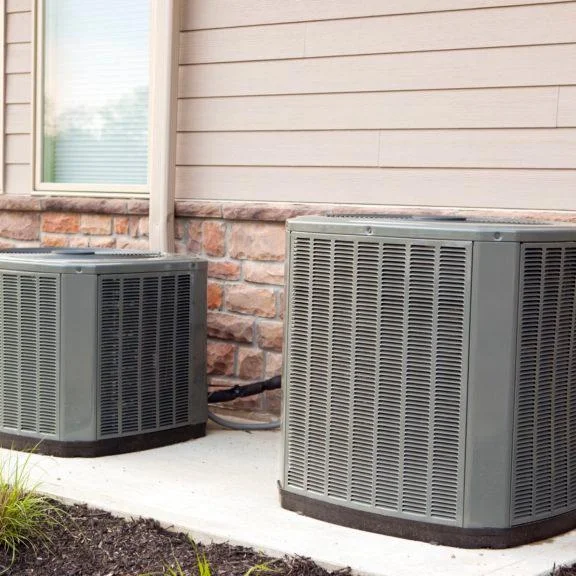
- Gently clean debris from around the outdoor condenser. Keep at least 2 feet of clearance from shrubs or structures. Carefully rinse the condenser coil with a garden hose from the inside out to remove dirt and pollen. For heavy buildup, schedule professional condenser coil cleaning to protect the fins and improve heat exchange efficiency.
6) Evaporator Coil and Drainage
- Inspect the indoor evaporator coil for dust or microbial growth. This is typically a job for professionals during a spring AC inspection. Clear the condensate drain line and pan to prevent clogs, leaks, and musty odors. A blocked drain can shut your system down or cause water damage.
7) Refrigerant Levels and Lines
- Have a licensed technician check refrigerant charge during HVAC tune-up services. Low refrigerant can signal a leak and reduces cooling capacity. Inspect refrigerant lines for proper insulation; replace any deteriorated foam to prevent energy loss and condensation issues.
8) Electrical Components and Contacts
- Professional technicians should tighten electrical connections and examine capacitors, relays, and contactors for wear. Faulty electrical components are a common cause of no-cool calls and can be caught early during Port Chester AC upkeep.
9) Blower Assembly and Airflow
- Ensure the blower wheel is clean and balanced. Excess dust impedes airflow and increases energy use. Technicians can measure static pressure and airflow to confirm your system is operating within design specs for peak efficiency.
10) Ductwork Assessment
- Visually inspect accessible ducts for gaps, disconnected joints, or crushed sections. Consider duct sealing and insulation upgrades to prevent conditioned air from escaping—an essential part of energy-efficient AC care and summer AC readiness.
11) System Performance Test
- After maintenance, run a full cooling cycle. Check temperature split between return and supply air (typically 16–22°F for many systems). Listen for unusual noises and verify consistent airflow in all rooms.
When to Call a Professional in Port Chester While homeowners can handle simple tasks like air filter replacement and clearing debris, many items on the seasonal HVAC checklist require training and tools. Local HVAC tune-up services in Port Chester can:

- Perform refrigerant diagnostics and safe handling Conduct thorough condenser coil cleaning and evaporator coil treatment Test electrical components and calibrate controls Measure system performance and offer targeted upgrades
Scheduling professional HVAC preventive maintenance in spring ensures your unit is tuned for the hottest months and complies with manufacturer requirements that keep warranties intact.
Tips to Maximize Efficiency All Summer
- Upgrade your thermostat: Smart thermostats can learn your schedule and deliver significant savings without sacrificing comfort. Manage shade and ventilation: Close blinds during peak sun and use ceiling fans to improve air circulation, allowing higher setpoints without discomfort. Keep outdoor clearance: Maintain landscaping around the condenser to ensure unobstructed airflow. Seal the envelope: Address gaps around doors, windows, and attic penetrations to reduce heat gain and lighten the AC load. Set realistic temperatures: Every degree you raise the thermostat can reduce cooling costs by 3–5% while still ensuring summer AC readiness.
Common Signs Your AC Needs Attention

- Warm air or uneven cooling Frequent cycling or unusually long run times Higher energy bills without a change in usage Musty or burning odors, or water near the air handler Unusual sounds like buzzing, rattling, or squealing
If you notice any of these, schedule Port Chester AC upkeep promptly to avoid costlier repairs.
Choosing the Right HVAC Partner in Port Chester Look for licensed, insured technicians with strong local reviews and transparent pricing. Ask about:
- What’s included in their spring AC inspection and HVAC tune-up services Whether they check static pressure, refrigerant charge, and electrical integrity Options for maintenance plans that include reminders, priority service, and discounts Experience with your system type (central AC, heat pump, ductless mini-split)
A maintenance plan is often the most cost-effective route to consistent energy-efficient AC care, ensuring no key step is skipped season after season.
The Bottom Line A well-executed spring AC inspection is the backbone of reliable, efficient cooling in Port Chester. By following a seasonal HVAC checklist, prioritizing air filter replacement and condenser coil cleaning, and partnering with qualified technicians for HVAC preventive maintenance, you’ll secure comfort, lower energy bills, and peace of mind as summer approaches. Make your appointment early to beat the rush and enjoy a smooth, efficient start to the cooling season.
Questions and Answers
Q1: How often should I schedule AC maintenance in Port Chester, NY? A1: At least once a year in spring for cooling, and again in fall if you have a heat pump or combined HVAC system. High-use homes or coastal environments may benefit from two tune-ups per year.
Q2: Can I clean my condenser coils myself? A2: Light rinsing with a garden hose is fine, but deep condenser coil cleaning should be handled by a professional to avoid bending fins, damaging components, or missing internal debris.
Q3: What’s the best air filter for energy efficiency? A3: A pleated MERV 8–11 filter balances airflow and filtration for most homes. Higher MERV ratings can strain systems if ductwork or blowers aren’t designed for them—ask your HVAC technician for guidance.
Q4: Why is my energy bill rising even after a spring AC inspection? A4: Possible causes include duct leaks, poor insulation, incorrect refrigerant charge, a failing capacitor or blower, or an aging unit. Ask your provider to perform a full performance assessment, including static pressure and temperature split.
Q5: What’s included in a typical HVAC tune-up service? A5: Expect a thermostat check, electrical inspection, refrigerant evaluation, coil and drain assessment, airflow measurements, safety checks, cleaning, and a final performance test tailored to your system.